Marrakech to Merzouga by road: the complete driving guide
How to get from Marrakech to the Merzouga dunes: the 560 km route over the Tizi n'Tichka, driving times, best stops, where to break the journey, and private driver vs bus vs shared tour.
Merzouga, at the foot of the Erg Chebbi dunes, is the most popular place in Morocco to see the Sahara. It is also a long way from Marrakech: about 560 km and 9 to 10 hours of driving, across the High Atlas and the length of the southern oases. Done well, that drive is not a chore but one of the great road trips in the world.
This guide explains the route stage by stage, how long each leg takes, where to stop, how to split the journey and how to get there: private driver, bus or shared tour. It is written by a team that drives this road every week of the season.
- Distance
- ≈ 560 km one way
- Driving time
- 9–10 h without long stops
- Highest point
- Tizi n'Tichka, 2,260 m
- Best split
- 2 or 3 days
- Best season
- October–April
- Last fuel
- Erfoud, 50 km before the dunes
The route at a glance
There is one main route from Marrakech to Merzouga, the N9 and N10, with a variation on the way back. The outbound road climbs over the High Atlas to Ouarzazate, follows the Road of a Thousand Kasbahs east through Skoura, the Valley of Roses, the Dades and Tinghir, then crosses the stony hamada via Tinjdad and Erfoud to the dunes.
The return can take the same road, or the quieter southern road via Rissani, Alnif, N'Kob and the Draa Valley back to Ouarzazate, which turns the trip into a loop.
- Marrakech → Ouarzazate: ≈ 200 km · 3 h 30–4 h (via the Tizi n'Tichka)
- Ouarzazate → Boumalne Dades: ≈ 115 km · 1 h 45
- Boumalne → Tinghir (Todra): ≈ 55 km · 1 h
- Tinghir → Erfoud: ≈ 140 km · 2 h
- Erfoud → Merzouga: ≈ 55 km · 45 min
Stage 1: Over the High Atlas
The N9 leaves Marrakech through olive groves and climbs into the mountains after Ait Ourir. The ascent to the Tizi n'Tichka (2,260 m) is long and winding, with Amazigh villages, walnut trees and roadside stalls selling fossils and minerals. The road was widened recently, but it still has many hairpins: sit in front if you are sensitive to motion.
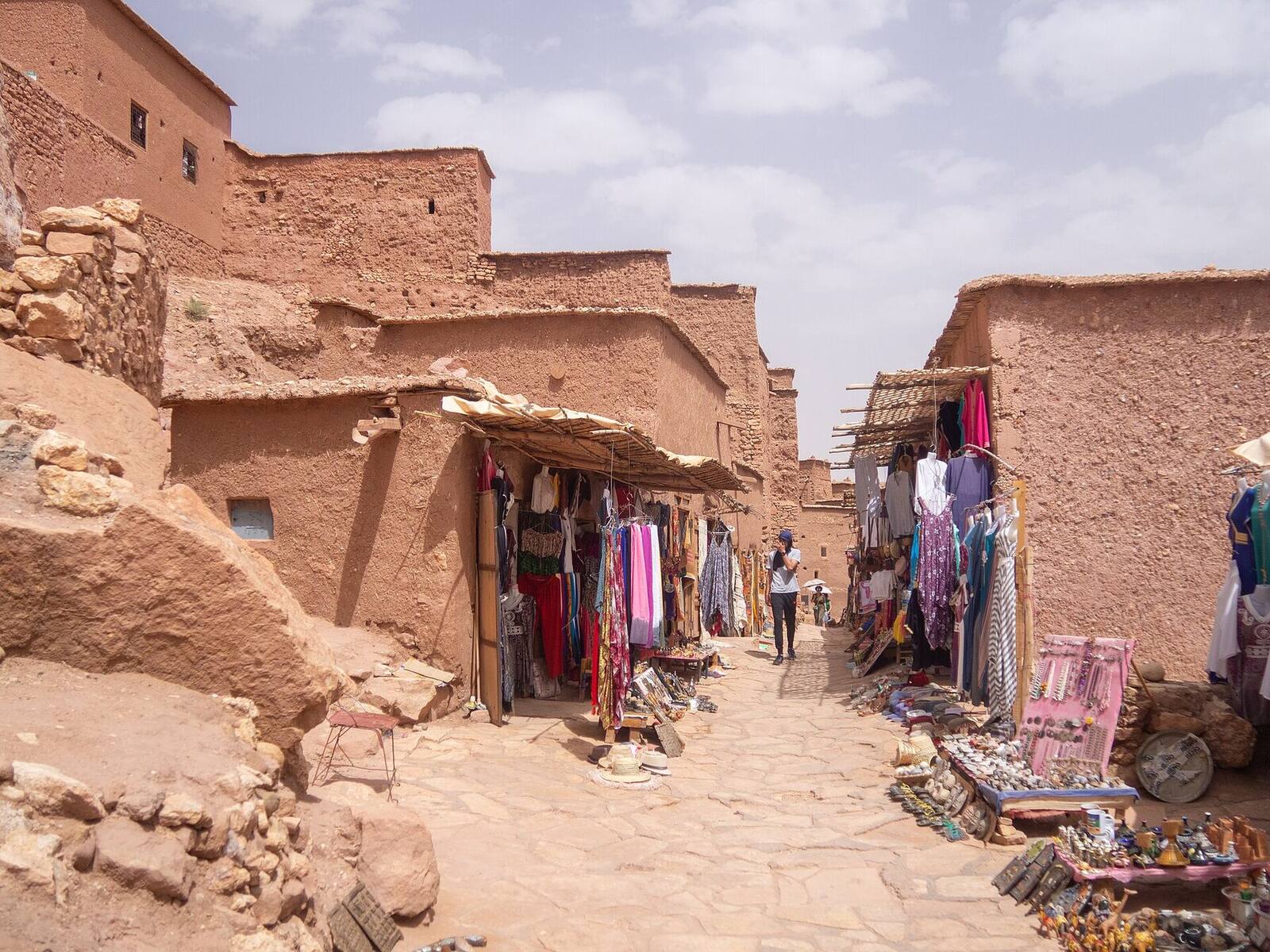
After the pass, a short detour leads to Ait Benhaddou, the UNESCO-listed clay ksar, and the alternative road via Telouet and the Ounila valley is one of the most spectacular in the country.
Leave Marrakech by 08:00 to cross the pass before the trucks and reach Ait Benhaddou before the midday heat.
Stage 2: The Road of a Thousand Kasbahs
East of Ouarzazate the N10 is straight, quiet and lined with palm groves and earth kasbahs. Skoura has one of the finest oasis palm groves in the south, Kalaat M'Gouna is the centre of rose growing, and Boumalne is the gateway to the Dades gorges, whose switchback road is one of the most photographed in Morocco.
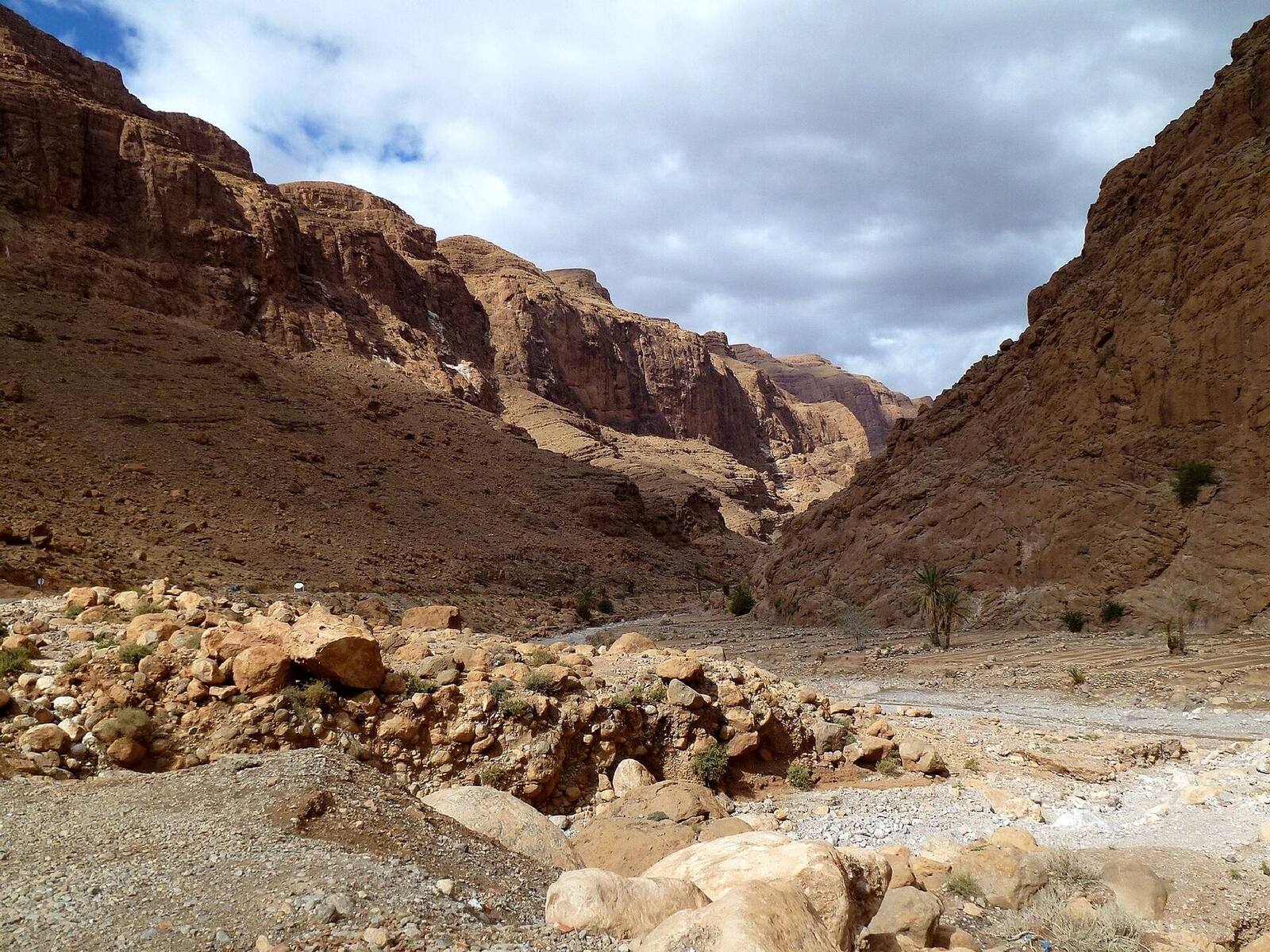
At Tinghir, a 15 km side road leads into the Todra Gorge. Walk the gorge floor between limestone walls about 300 metres high; mornings are quietest.
Stage 3: Across the hamada to the dunes
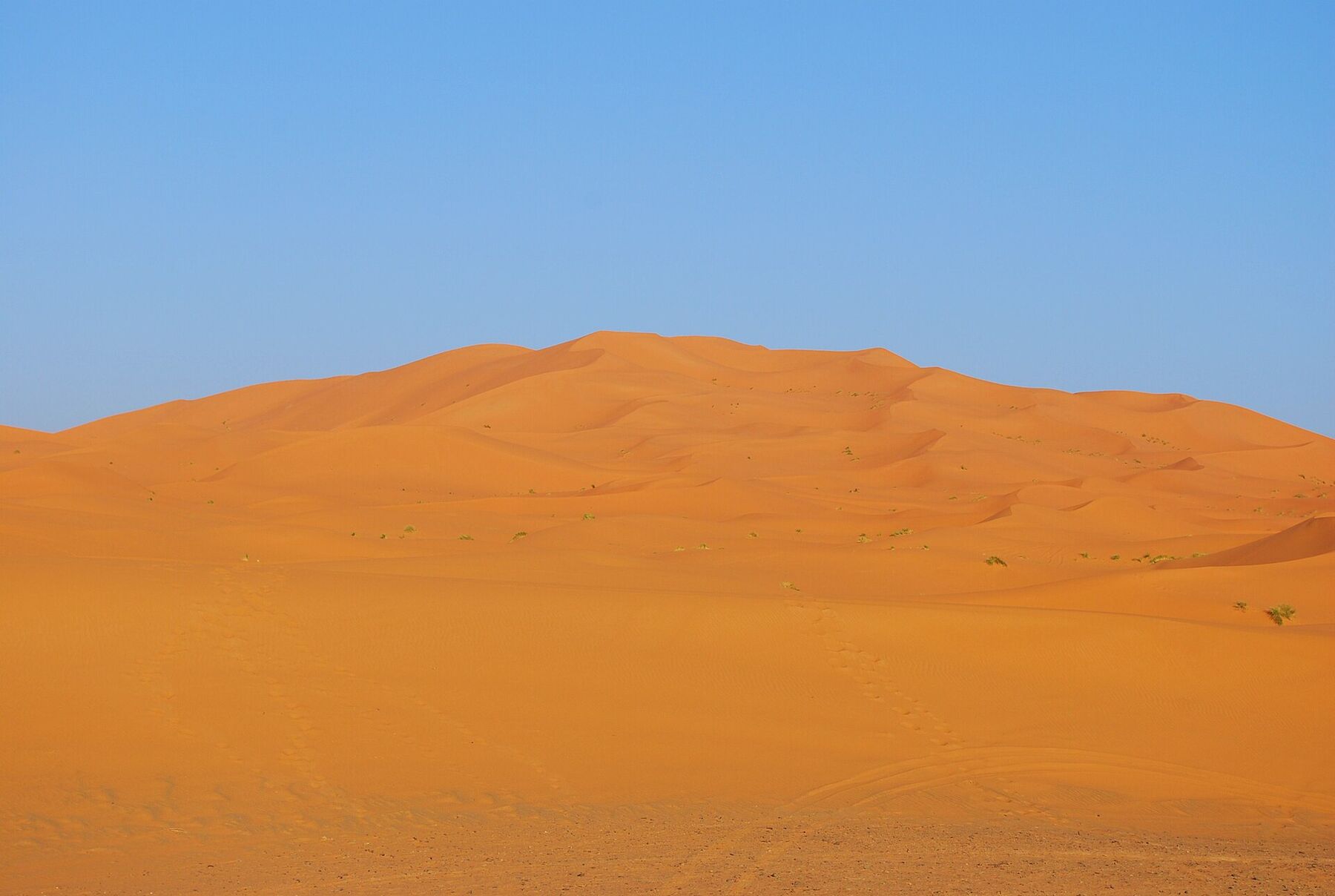
From Tinghir the road crosses the hamada, a flat stony desert, through Tinjdad (look for the old khettara irrigation channels) and Erfoud, known for its fossil workshops and dates. Erfoud is the last reliable fuel stop.
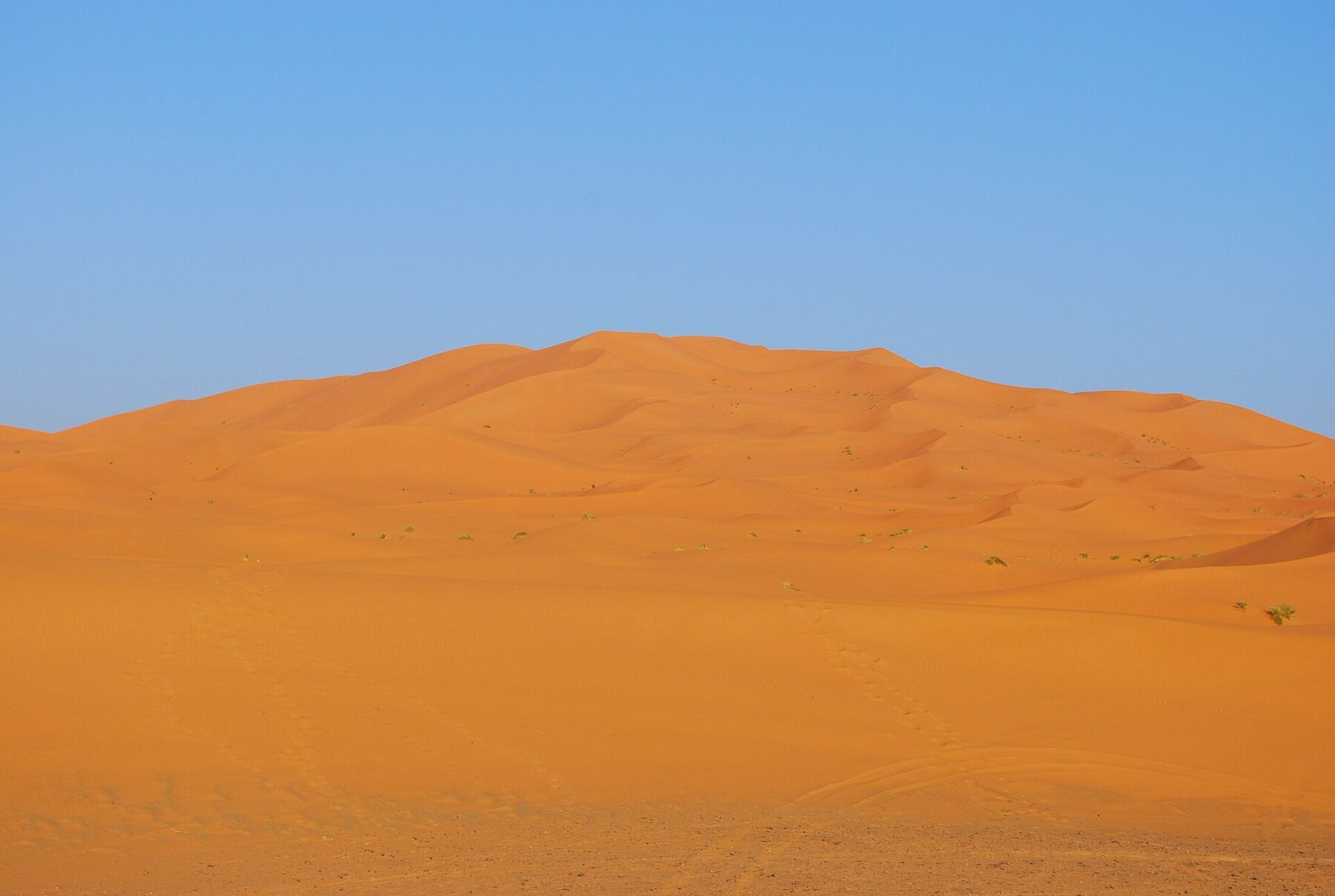
After Rissani the first dunes appear on the horizon, glowing orange in the afternoon light. Most desert camps meet their guests at an auberge or parking area at the edge of the dunes, from where you ride a camel or take a 4x4 to the camp.
How many days do you need?
You can drive Marrakech to Merzouga in one long day, but it is not much fun. Two days, with a night in the Dades or Todra, is the minimum we recommend. Three days, with nights near Ait Benhaddou and in the Dades, is the relaxed option.
For the whole trip, the most popular formats are a 3-day one-way route from Marrakech to Fes via Merzouga, a 4-day loop from Marrakech and back, and longer routes from Fes to Marrakech over 5 to 7 days.
How Travel Plan organises the drive
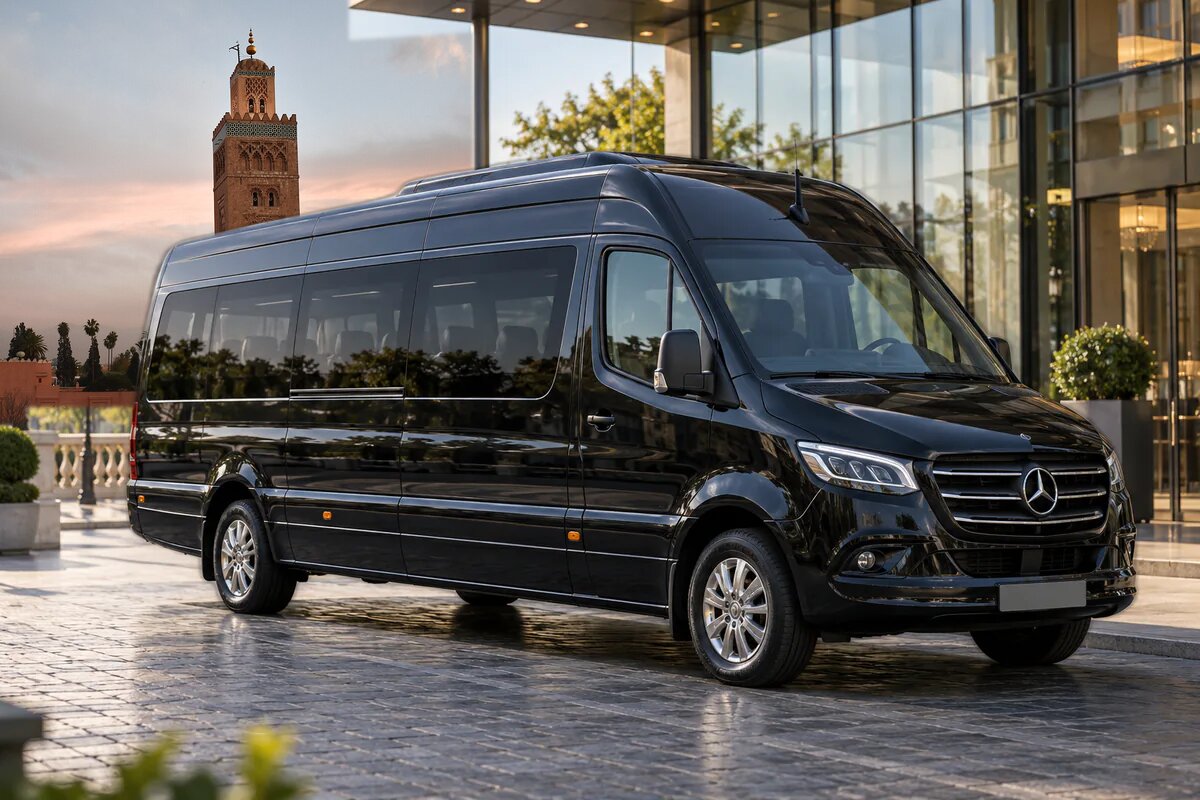
We provide the private air-conditioned 4x4 or van, an experienced desert driver and a licensed guide at Ait Benhaddou. You book your own accommodation and desert camp, and send us the names: we plan each day so you arrive in time for check-in, sunset and the camel departure.
On the desert night your main luggage stays in the locked vehicle, and your driver collects you at the camp's meeting point after sunrise. From Merzouga, he can take you back to Marrakech, loop via the Draa Valley, continue to Fes, or drop you at Errachidia airport.
Related private tours
 4 days4-Day Marrakech to Merzouga Desert LoopOut through the gorges, back through the Draa Valley: a full desert loop with no road driven twice.3 days3-Day Marrakech to Fes via MerzougaA one-way desert crossing: Atlas, kasbahs, gorges, the dunes of Erg Chebbi and the cedar forests, ending in Fes.4 daysSahara Desert Route from MarrakechOver the High Atlas, through the gorges and on to the dunes of Merzouga, in a private 4x4.7 daysFes to Marrakech Desert RouteFrom the medieval north, over the cedar forests, into the dunes and down to the red city, at an unhurried pace.
Frequently asked questions
How far is Merzouga from Marrakech?
About 560 km by road, or 9 to 10 hours of driving without long stops.
Can you do Marrakech to Merzouga in one day?
Yes, but it is a very long day. We recommend at least one overnight stop in the Dades or Todra.
Is the road to Merzouga safe?
Yes. It is paved all the way. The only demanding section is the Tizi n'Tichka pass, which an experienced driver handles every week.
Is the desert camp included with Travel Plan?
No. We provide the private transport and driver. You book the camp directly, and we deliver you to its meeting point.
Can I go from Merzouga to Fes?
Yes. Merzouga to Fes is about 470 km, a full day through the Ziz Valley, Midelt and the Middle Atlas.
Photo credits
- Dunes-Merzouga-Erg Chebi: Nomadz, CC BY-SA 3.0, Wikimedia Commons
- Ait Zineb - Ksar of Aït Benhaddou - 20190716174408: C messier, CC BY-SA 4.0, Wikimedia Commons
- Gorges Todra Morocco - panoramio (6): Hiroki Ogawa, CC BY 3.0, Wikimedia Commons