Is Morocco safe for tourists? Honest advice from locals
Is Morocco safe to visit? Honest advice on safety in Marrakech and beyond: common scams, tips for women and families, health, driving and emergency numbers.
Yes: Morocco is one of the most visited countries in Africa and is generally safe for travellers, including families, couples and solo women. Violent crime against tourists is rare. What visitors do meet is persistent selling, a few classic scams and the occasional pickpocket in crowded places. Knowing them in advance makes all the difference.
The common scams (and how to avoid them)
- "The road is closed": a friendly stranger tells you the way is blocked and offers to guide you, ending in a shop. Politely keep walking and use a map.
- Unofficial guides: offers to show you the tannery or the square. Licensed guides carry an official badge; book one in advance.
- Henna on the square: someone starts drawing on your hand and then asks for a lot of money. Keep your hands to yourself or agree the price first.
- Photos of performers and animals on Jemaa el-Fnaa come with a fee; agree it beforehand or don't take the photo.
- Taxi fares: agree the price or ask for the meter before the ride.
Tips for women travellers
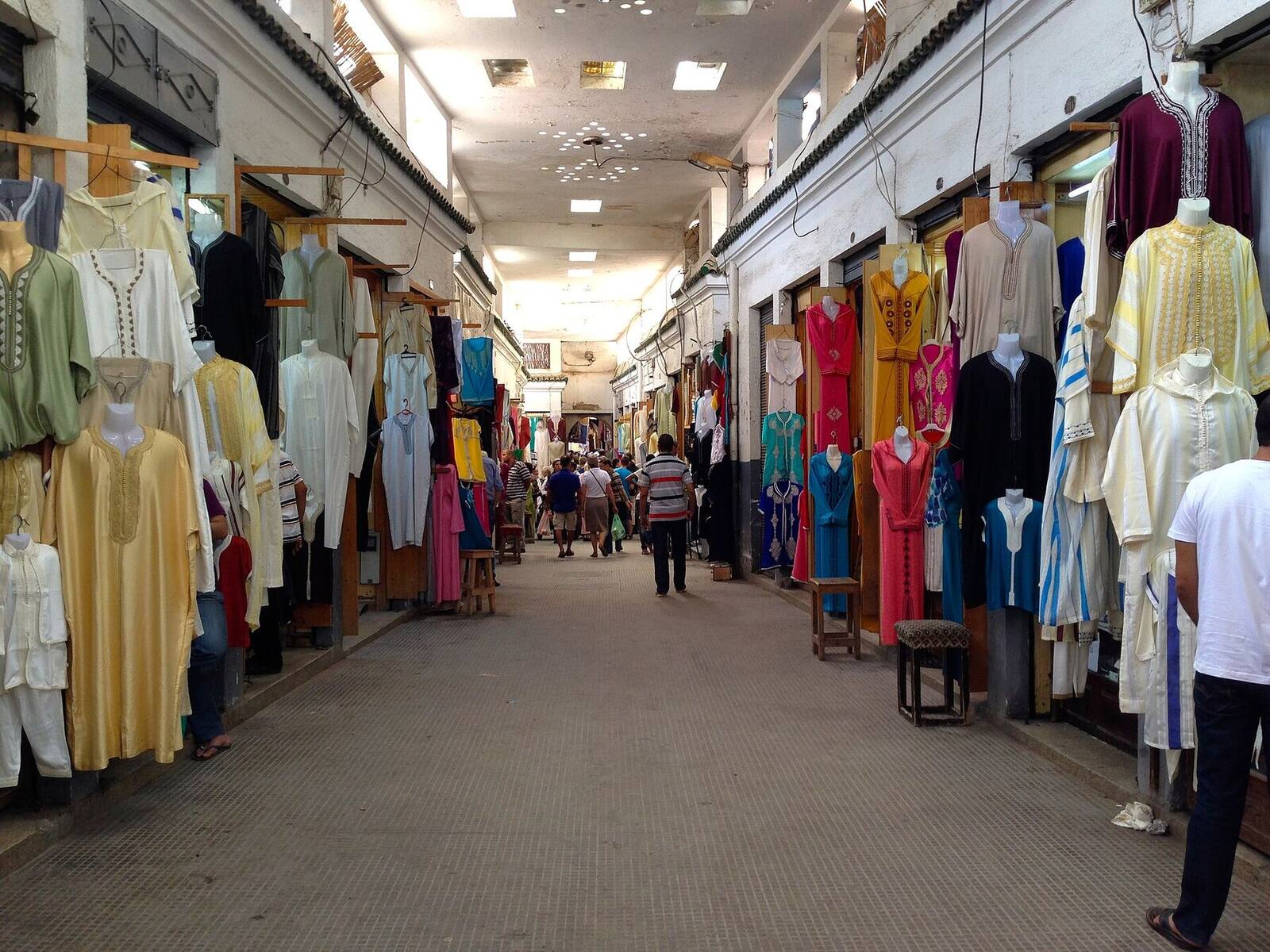
Many women travel in Morocco alone or in pairs. The main annoyance is verbal attention in busy medinas. Dressing modestly (shoulders and knees covered), walking with purpose and ignoring comments are usually enough. Using a guide in the medinas and a private driver between cities makes the trip far more relaxed.
Families and children
Moroccans love children, and families are welcomed everywhere. Bring sun protection, plan shade and rest in the afternoon in summer, and choose shorter driving days. Child seats can be arranged with a private driver on request.
Health and food
- Drink bottled water and avoid ice in very basic places.
- Street food is often delicious and safe when it is cooked fresh in front of you and the stall is busy.
- Bring basic stomach medication and sun protection.
- Travel insurance with medical cover is strongly recommended.
On the road
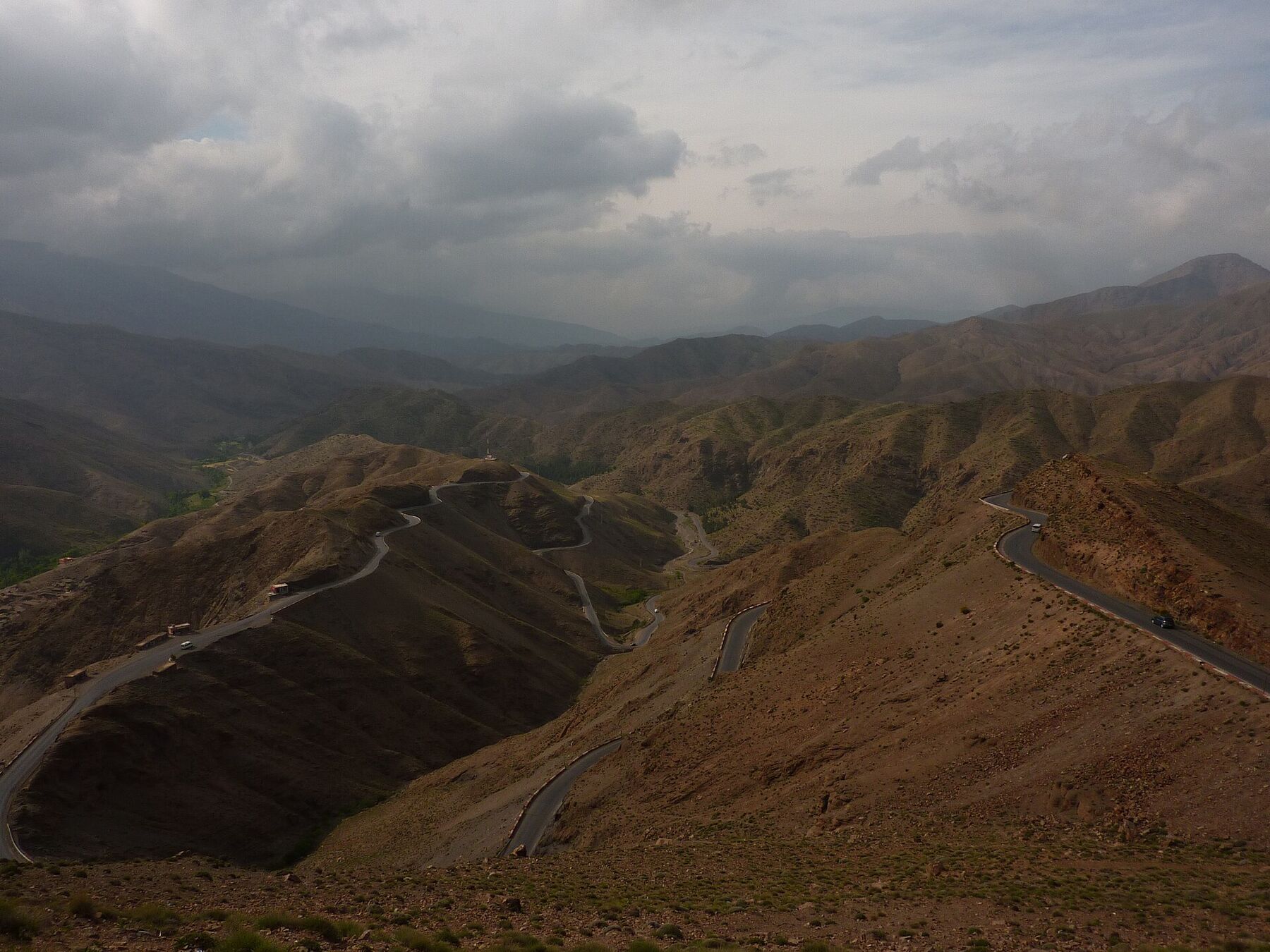
Roads between major cities are generally good, but mountain passes are winding and local driving can be unpredictable. Police checkpoints and speed radars are frequent. Many visitors prefer a private driver who knows the roads.
Emergency numbers
- Police: 19
- Royal Gendarmerie (outside cities): 177
- Fire and ambulance: 15
- From a mobile phone: 112
Road safety and getting around
The biggest real risk for visitors in Morocco is the road, not crime. Driving styles are assertive, rural roads have trucks, donkeys and pedestrians, and mountain passes are long and winding. This is the main reason many travellers choose a professional driver over a rental car.
Our drivers are experienced on every major route, rested, and never asked to drive through the night. Vehicles are serviced regularly, have seat belts in every seat and air-conditioning, and child seats are available on request. Police checkpoints are routine and courteous; your driver handles them.
Related private tours
Frequently asked questions
Is Marrakech safe at night?
The main areas of the medina, Jemaa el-Fnaa and Gueliz are busy and generally safe in the evening. As anywhere, avoid empty unlit alleys late at night and watch your belongings in crowds.
Is Morocco safe for solo female travellers?
Yes, many women travel alone in Morocco. Expect some verbal attention in busy places; modest clothing, confidence and a guide in the medinas help a lot.
Do I need a guide in Morocco?
Not everywhere, but a licensed guide in the big medinas (Marrakech, Fes) saves time, adds context and keeps unwanted attention away.
Photo credits
- Fes Morocco Medina street markets Sept 2014 - 08 (15302749453): Andrew Nash from Vienna, Austria, CC BY-SA 2.0, Wikimedia Commons
- Tizi-n-Tichka Pass, Stormy Day - Awesome Ride - panoramio: Adrian Farwell, CC BY 3.0, Wikimedia Commons