Climbing Mount Toubkal: the complete trekking guide
Everything you need to climb Mount Toubkal (4,167 m) from Imlil: the 2-day route, refuge, guide rules, best season, fitness, altitude, packing list and costs to expect.
At 4,167 metres, Jebel Toubkal is the highest mountain in North Africa and the roof of the High Atlas. What makes it special is that it is within reach of ordinary, reasonably fit hikers: there is no technical climbing in the warm season, the trailhead is only about 90 minutes from Marrakech, and from the summit you look across a sea of bare red ridges towards the Sahara on one side and the plains of Marrakech on the other.
This guide covers the classic two-day route from Imlil, the rules you need to know, the best season, how hard it really is and how to prepare, written by a team that organises the trek every month of the hiking season.
- Altitude
- 4,167 m (13,671 ft)
- Start point
- Imlil village, 1,740 m
- Classic duration
- 2 days / 1 night
- Distance
- About 22 km return
- Best season
- April–June and September–October
- From Marrakech
- About 1.5 hours by road
Why climb Toubkal?
Toubkal is one of the most rewarding high peaks in the world for its effort. In two days you walk through Berber villages built into the hillsides, past walnut and apple orchards, along mule tracks used for centuries, and up into a high-mountain landscape of scree, granite and, in spring, lingering snowfields.
It is also a cultural trek. The Amazigh (Berber) families of the Imlil valley run the guesthouses, cook the tagines and lead the mules that carry supplies to the refuge. Walking with a local guide, you hear about village life, the seasons and the mountain in a way no guidebook can give you.
The rules: you need a licensed guide
Since 2019, hikers going up to the Toubkal refuge and summit must be accompanied by a licensed mountain guide. Checkpoints along the trail check this, and the rule is good for everyone: guides know the route in poor visibility, watch for altitude sickness and are connected to the mountain rescue network.
A guide also takes care of the logistics: refuge reservations, meals, a mule to carry your overnight bag, and timing the summit push so you reach the top early, before afternoon clouds and wind.
Book your guide and refuge beds at least two weeks ahead in April, May and October, which are the busiest months on the mountain.
Day 1: Imlil to the Toubkal refuge
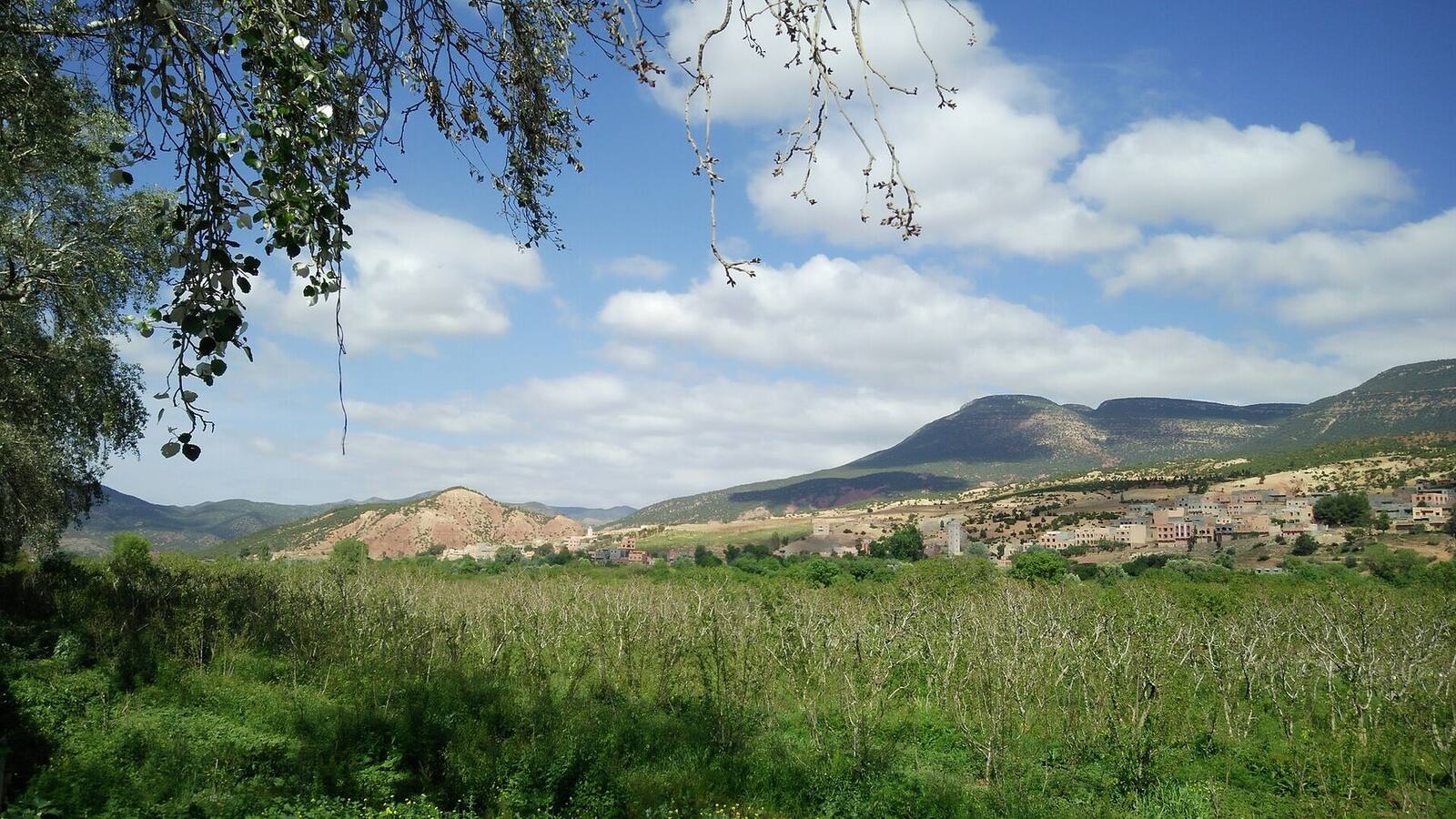
Leave Marrakech early. The drive takes you through the Haouz plain, then up through Asni and the narrowing valley to Imlil. After meeting your guide and loading the mule, the trail climbs gently through Aroumd, a village of flat-roofed stone houses, then crosses a wide boulder-strewn riverbed.
The path then rises steadily to the shrine of Sidi Chamharouch, a white-painted rock that is a pilgrimage site for Moroccans. Small stalls sell tea, juice and snacks here, a welcome break. From there the trail zig-zags up a long valley to the refuge at about 3,200 metres.
Most hikers take 5 to 6 hours, walking slowly. The secret is pace: walk at a speed at which you can still talk. Dinner is served early in the refuge and everyone is in bed by nine.
Day 2: Summit and descent to Imlil
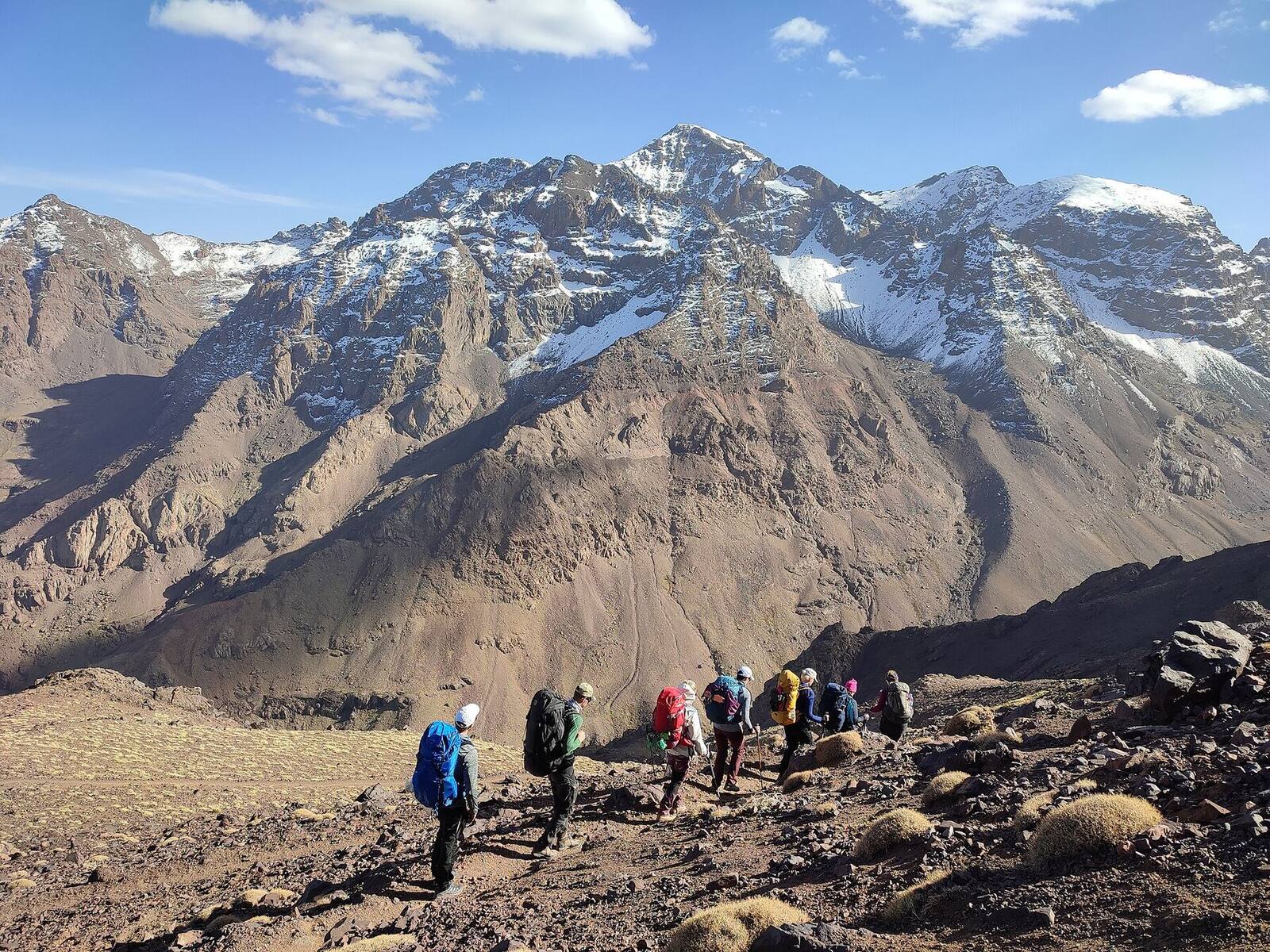
Wake-up is usually around 4 or 5 am. You climb by headlamp up a steep slope of loose scree, reaching a saddle at around 3,900 metres as the sky lightens, then follow the ridge to the summit marked by a metal tripod. The ascent takes 3 to 4 hours.
On a clear morning you see the Anti-Atlas, the Sahara haze to the south and the whole chain of the High Atlas. After photos and a hot drink, you descend to the refuge for breakfast, then all the way down to Imlil, arriving in the afternoon tired, happy and ready for a long shower.
Bring trekking poles. The descent on scree is hard on the knees, and poles make a huge difference on day 2.
How hard is it?
Toubkal is a non-technical trek in the warm season, but it is not easy. Day 2 involves around 1,000 metres of ascent followed by roughly 2,400 metres of descent. You need good general fitness and should be comfortable walking 6 to 10 hours on rough ground.
Altitude is the main challenge. Above 3,000 metres many people feel headaches, breathlessness or poor sleep. Drink plenty, walk slowly and tell your guide if you feel unwell; descending is the cure for altitude sickness.
- Good fit for: regular hikers, active travellers, teenagers with hiking experience.
- Consider a 3-day version if: you want more time to acclimatise or prefer shorter days.
- Not recommended: for people with heart or breathing conditions without medical advice.
Best time to climb Toubkal
April to June: green valleys, long days and some snow high up in April and May. September and October: stable weather, clear views and harvest time in the villages. July and August: possible, but hot in the valley and busy on the trail.
November to March is winter on Toubkal. The mountain is covered in snow and ice, and the climb requires crampons, an ice axe and winter experience. We only organise winter ascents for experienced hikers with suitable equipment.
Packing list
- Broken-in hiking boots with good grip
- Warm layers: fleece and a down or synthetic jacket (it can be below 0°C at dawn even in summer)
- Waterproof and windproof shell
- Hat, gloves and a buff
- Sunglasses, sunscreen and lip balm
- Headlamp with spare batteries
- Trekking poles
- 2 litres of water capacity and purification tablets or a filter
- Snacks: nuts, dried fruit, energy bars
- Sleeping bag liner (refuges provide blankets)
- Cash for the refuge, drinks and tips
Where to stay
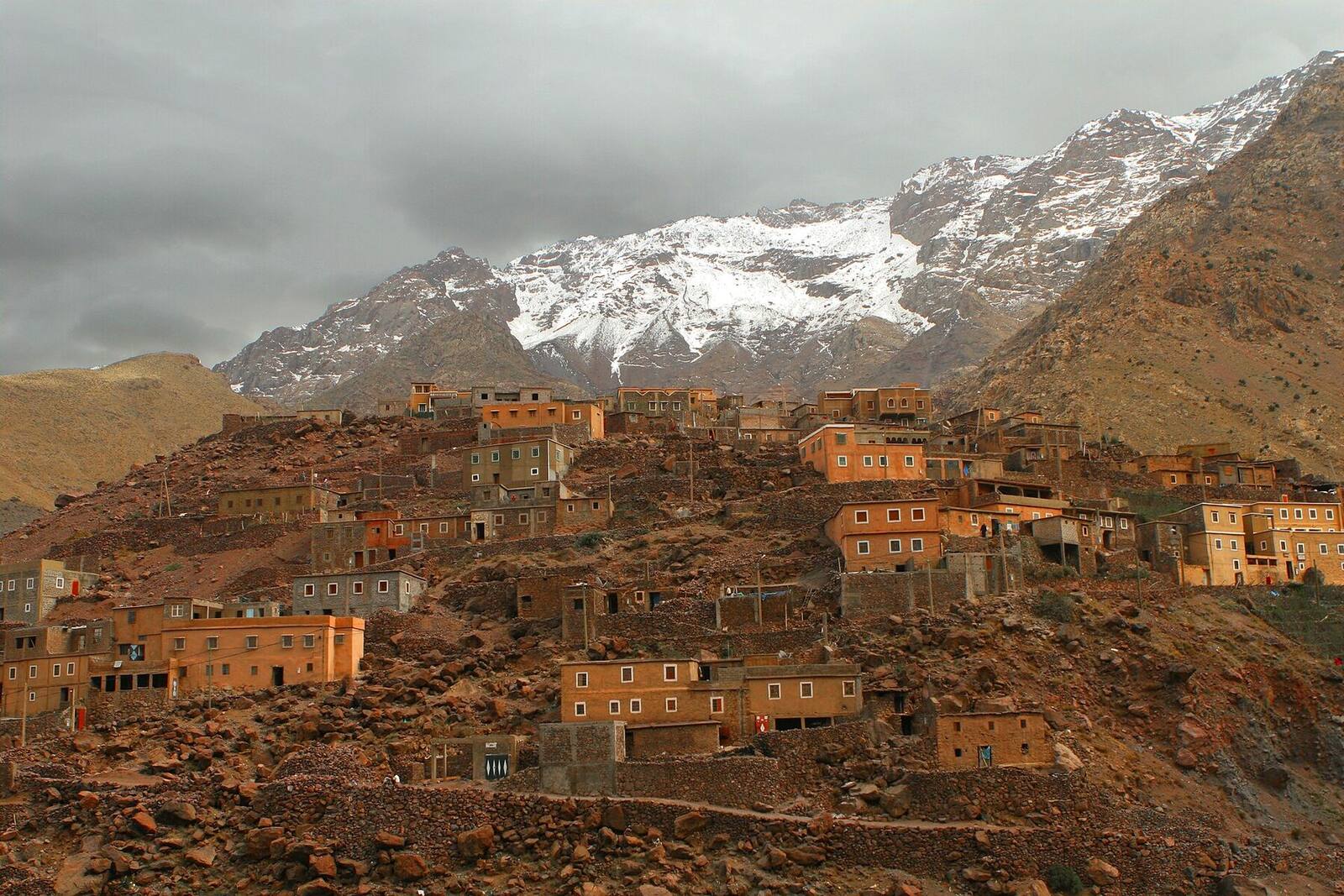
Imlil has guesthouses for every budget, from simple gîtes to beautiful kasbah lodges with views of Toubkal. Spending the night before the climb in Imlil is a good idea: you acclimatise a little at 1,740 metres and start day 1 fresh instead of after a drive.
On the mountain, there are two refuges next to each other at about 3,200 metres, with dormitories, hot meals and basic washrooms. Expect shared rooms and a lively atmosphere.
Not ready for the summit? Easier Atlas walks
If 4,000 metres sounds like too much, the valleys around Imlil offer wonderful day walks: the Tizi n'Mzik pass, the villages of the Azzaden valley, or a walk from Imlil to Aroumd with lunch on a family terrace. The Ourika Valley and the Three Valleys area near Asni are also beautiful and much gentler.
Getting to Imlil from Marrakech
Imlil is about 65 km from Marrakech, around 1 h 30 by road through Tahanaout, the Moulay Brahim gorges and Asni. Shared grand taxis run from the Bab er-Robb station, but they leave when full and drop you in the village centre.
A private transfer collects you at your door at the time you choose, takes your large luggage back to Marrakech or keeps it in the vehicle, and is waiting at Imlil when you come down the mountain, tired and happy.
Related private tours
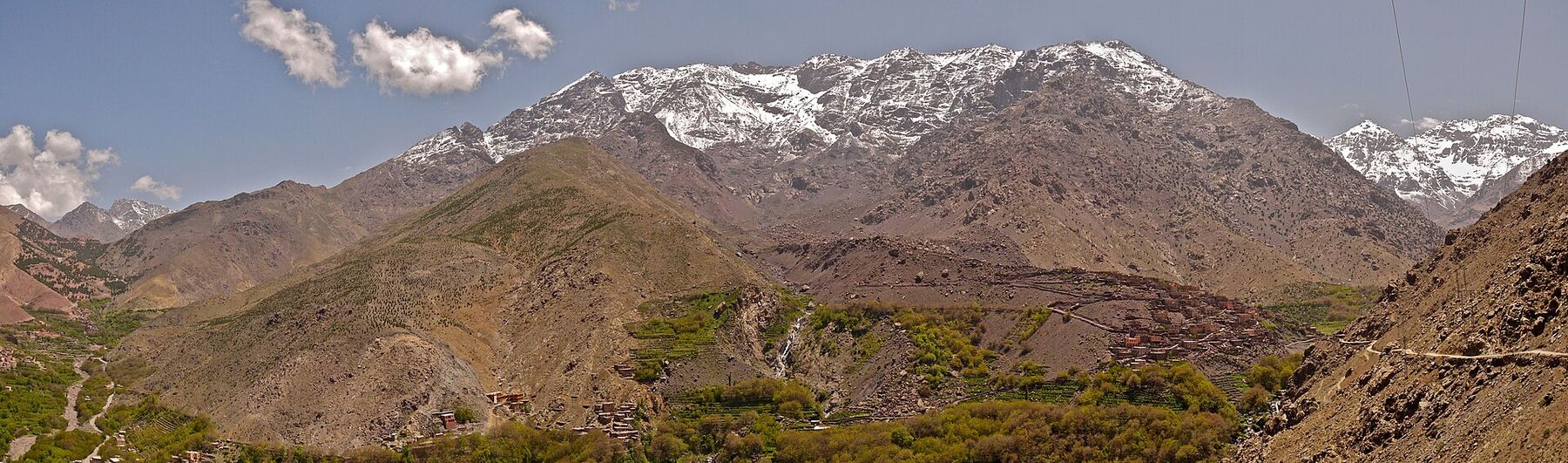 3 daysAtlas Mountains TrekWalnut groves, Amazigh villages and mountain air, with a certified mountain guide and door-to-door transfers.
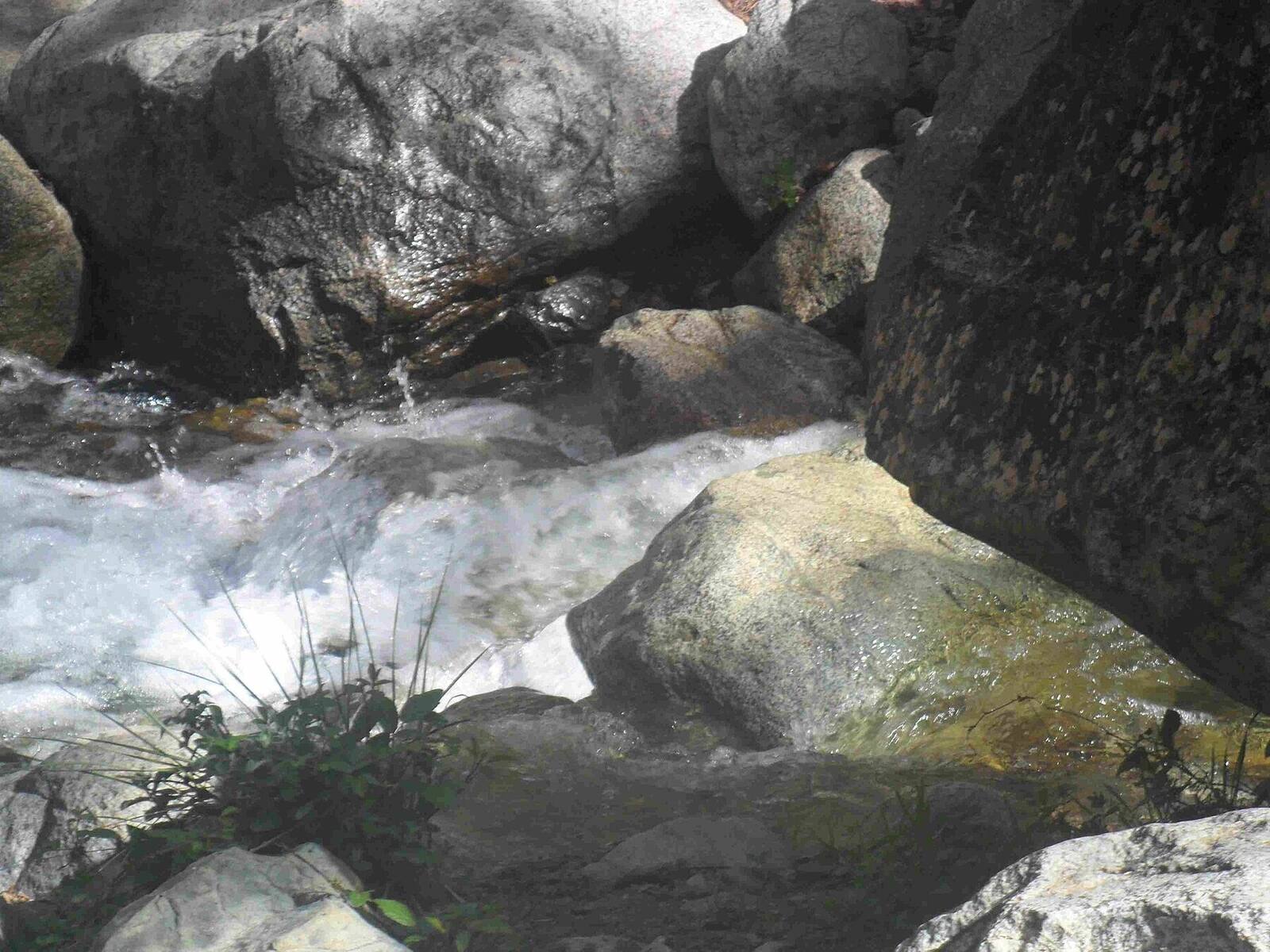 Half dayOurika ValleyA half-day private drive into the High Atlas, with a local guide to the Setti Fatma waterfalls.Half dayAsni & Atlas Foothills Lunch DriveA private half day into the High Atlas foothills for a long lunch at the restaurant of your choice.
Frequently asked questions
Can I climb Toubkal without a guide?
No. Since 2019 hikers must be accompanied by a licensed mountain guide on the route to the refuge and summit.
Can beginners climb Mount Toubkal?
Fit beginners can climb Toubkal in summer and autumn with a guide, but it is demanding. Regular walking practice beforehand and a slow pace on the mountain make a big difference.
Can I climb Toubkal in one day?
Very fit, acclimatised hikers sometimes do it in one long day, but the classic 2-day itinerary is safer and much more enjoyable.
How cold is it on the summit?
Even in summer, temperatures at dawn on the summit can be close to or below freezing, and the wind can be strong. Bring warm layers, a hat and gloves.
How do I get from Marrakech to Imlil?
Imlil is about 1.5 hours from Marrakech by road. A private transfer is the easiest option, especially for an early start.
Photo credits
- Imlil-Jebel Toubkal-kitetraveller-01: Kitetraveller.com from Vienna, Austria, CC BY-SA 2.0, Wikimedia Commons
- ASNI village: Hamza EL GHAZALI, CC BY-SA 4.0, Wikimedia Commons
- Jebel Toubkal and a group of hikers: Kurinurm, CC BY-SA 4.0, Wikimedia Commons
- Berber village Atlas: DavidDennis / David Dennis from Pozuelo de Alarcón, Madrid, Spain, CC BY-SA 2.0, Wikimedia Commons