Shopping in the Marrakech souks: what to buy and how to haggle
A practical guide to shopping in Marrakech: the best souvenirs (carpets, argan oil, leather, lanterns, ceramics, spices), how to spot quality, how to haggle and how to ship home.
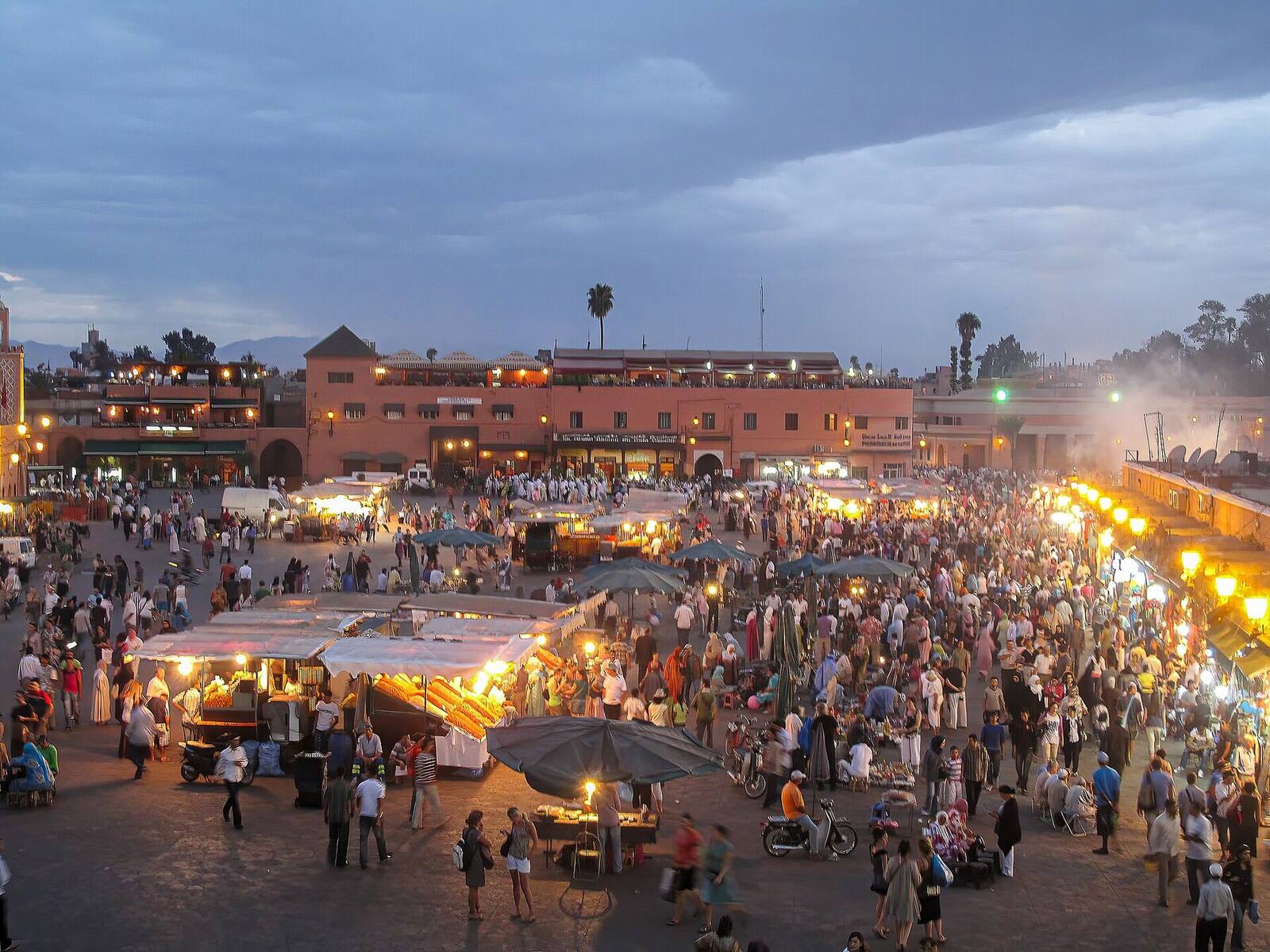
The souks of Marrakech are one of the great markets of the world: a labyrinth of covered lanes where every alley belongs to a craft, from leatherworkers and dyers to lantern makers and carpet sellers. Shopping here is not just buying; it is conversation, mint tea, theatre and a window into centuries-old trades.
This guide tells you what is worth buying, how to recognise quality, how to haggle with a smile and how to get your treasures home.
- Main souk area
- North of Jemaa el-Fnaa
- Best time to shop
- Morning, 9–12
- Quiet time
- Friday midday (prayers)
- Payment
- Mostly cash in dirhams
- Fixed-price option
- Ensemble Artisanal
- Haggling
- Expected, and friendly
How the souks are organised
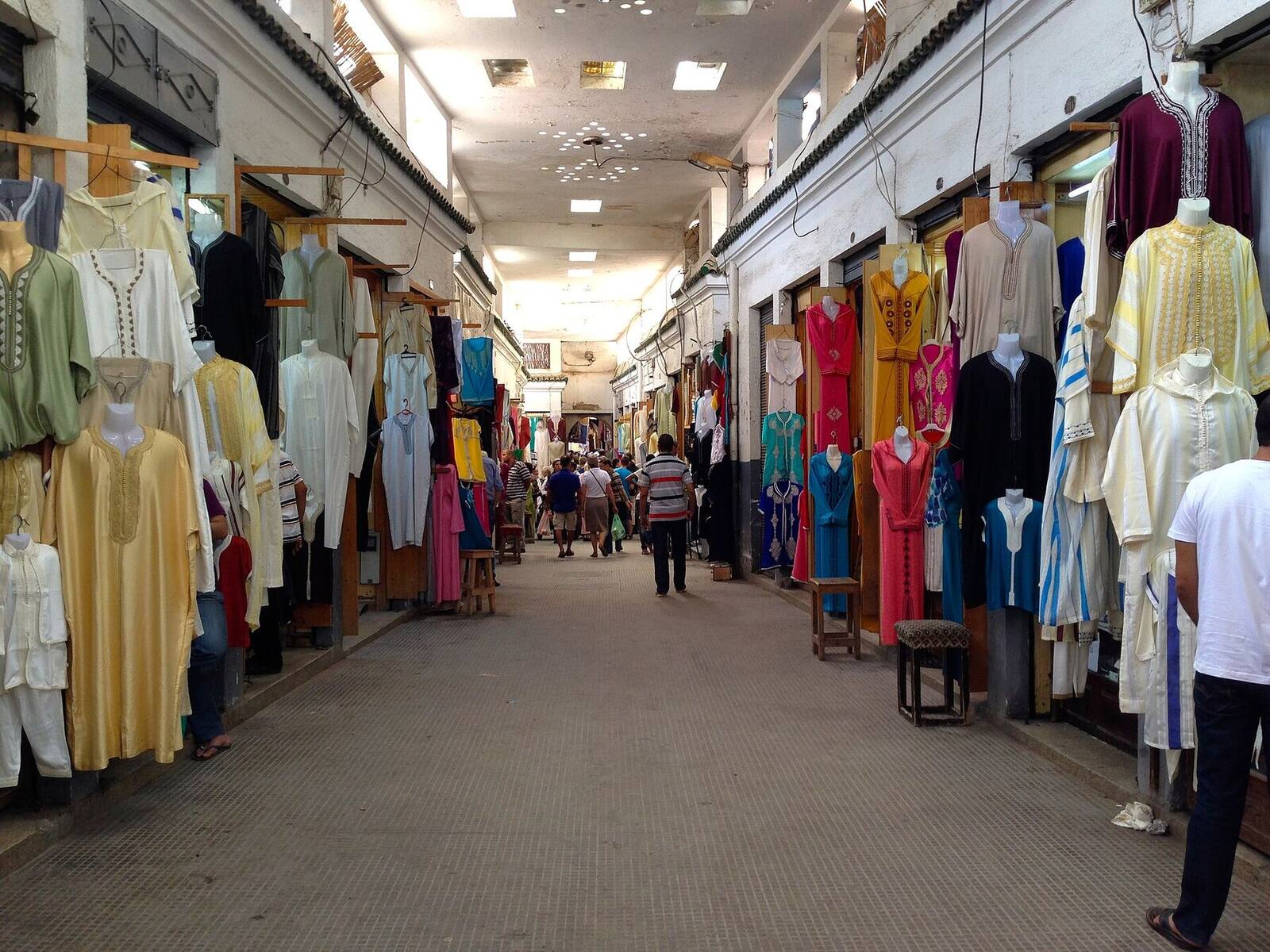
Traditionally, each lane of the souk is dedicated to one trade: Souk Semmarine for textiles, Souk el Attarine for spices and perfumes, Souk Haddadine for blacksmiths, Souk Chouari for woodworkers, the Souk des Teinturiers for dyers, and so on. The further north you go from Jemaa el-Fnaa, the more you find real workshops and the fewer tourist shops.
Use the minaret of the Koutoubia and the Ben Youssef Mosque as landmarks, and remember that following the main flow of people usually leads back to the square.
Carpets and rugs
Moroccan carpets are among the most beautiful souvenirs, and the most expensive. Main styles include Beni Ourain (cream wool with dark geometric lines, from the Middle Atlas), Azilal (colourful and abstract), kilims (flat-woven, lighter and cheaper) and boucherouite (recycled fabric rag rugs, bright and fun).
To judge quality, look at the back: dense, even knots and natural wool are good signs. Ask whether dyes are natural or synthetic. Never feel pressured: carpet shops serve tea and unroll dozens of rugs, but you are under no obligation to buy.
Argan oil and beauty products
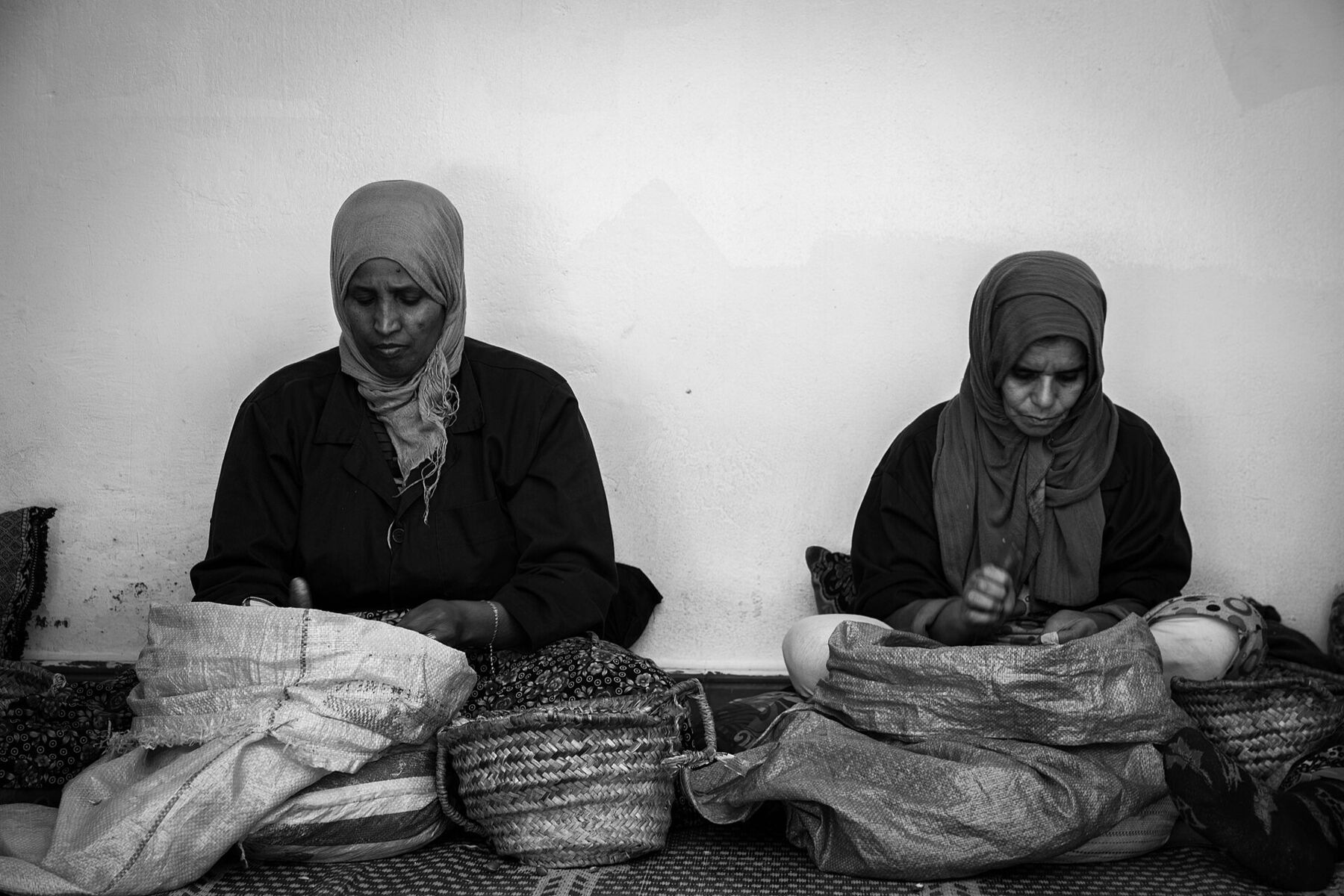
Argan oil comes from the argan tree, which grows only in south-western Morocco. There are two kinds: cosmetic argan oil (pressed from raw kernels, for skin and hair) and culinary argan oil (from roasted kernels, nutty, for dipping bread and in amlou).
Real argan oil is not cheap. Very low prices often mean dilution. The best places to buy are women's cooperatives, especially on the road to Essaouira, or reputable shops. Also look for black soap (savon beldi), ghassoul clay, rose water and orange blossom water.
Leather
Leather goods are made from hides tanned in traditional tanneries. Popular buys include babouches (soft slippers), bags, poufs, belts and jackets. Check the stitching, smell the leather (good leather smells pleasant once finished) and feel the thickness. Unstuffed poufs pack flat in your suitcase.
Lanterns, ceramics and homeware
- Lanterns in brass, copper or pierced metal, with coloured glass.
- Ceramics: blue-and-white pottery from Fes, painted tagines and plates from Safi. Decorative tagines are not always food-safe; ask.
- Tadelakt: polished waterproof plaster objects.
- Thuya wood boxes from Essaouira, fragrant and finely inlaid.
- Tea sets: a silver-coloured teapot and painted glasses.
- Berber jewellery in silver, with coral and amber.
Spices and edible souvenirs
- Ras el hanout: the famous spice blend, which can contain over 20 spices.
- Saffron from Taliouine: beware of cheap fakes. Real saffron threads are deep red, expensive and colour water slowly.
- Cumin, paprika and dried mint for your own tagines.
- Dates, almonds and amlou.
- Moroccan pastries, such as cornes de gazelle, to share at home.
How to haggle (with a smile)
Haggling is part of the culture and is usually friendly. It is a conversation, not a battle.
- Browse first and get a sense of prices before buying anything.
- Decide what the item is worth to you before asking the price.
- Let the seller give the first price, then offer much lower, often around a third to a half of the first price, and meet in the middle.
- Stay relaxed, joke and enjoy the tea.
- If you cannot agree, thank the seller and walk away politely; sometimes you will be called back.
- Once a price is agreed, it is polite to buy.
- Buying several items in the same shop gives you more bargaining power.
Visit the Ensemble Artisanal on Avenue Mohammed V first. Its fixed prices give you a good benchmark before you haggle in the souks.
Avoiding the classic traps
- Decline "guides" who offer to take you to a "Berber market that is only open today".
- Commission-driven guides may take you to shops that pay them; say clearly if you do not want shopping stops.
- Check the weight and quality of silver and the authenticity of "antiques".
- Count your change and pay in dirhams.
Getting it home
Many carpet and furniture shops can ship internationally. Ask for a written receipt with the description, the price and the shipping terms, and take a photo of your item. For fragile items, pack them in your hand luggage or ask for bubble wrap.
Carrying your shopping home
Rugs, lanterns and ceramics are heavy. If you are shopping on a day with a driver, your purchases go straight into the locked vehicle while you keep exploring. Many shops also ship abroad; ask for a written receipt and tracking number.
On your departure day, your driver helps load everything and can stop at a shop on the way to the airport to collect a last purchase.
Related private tours
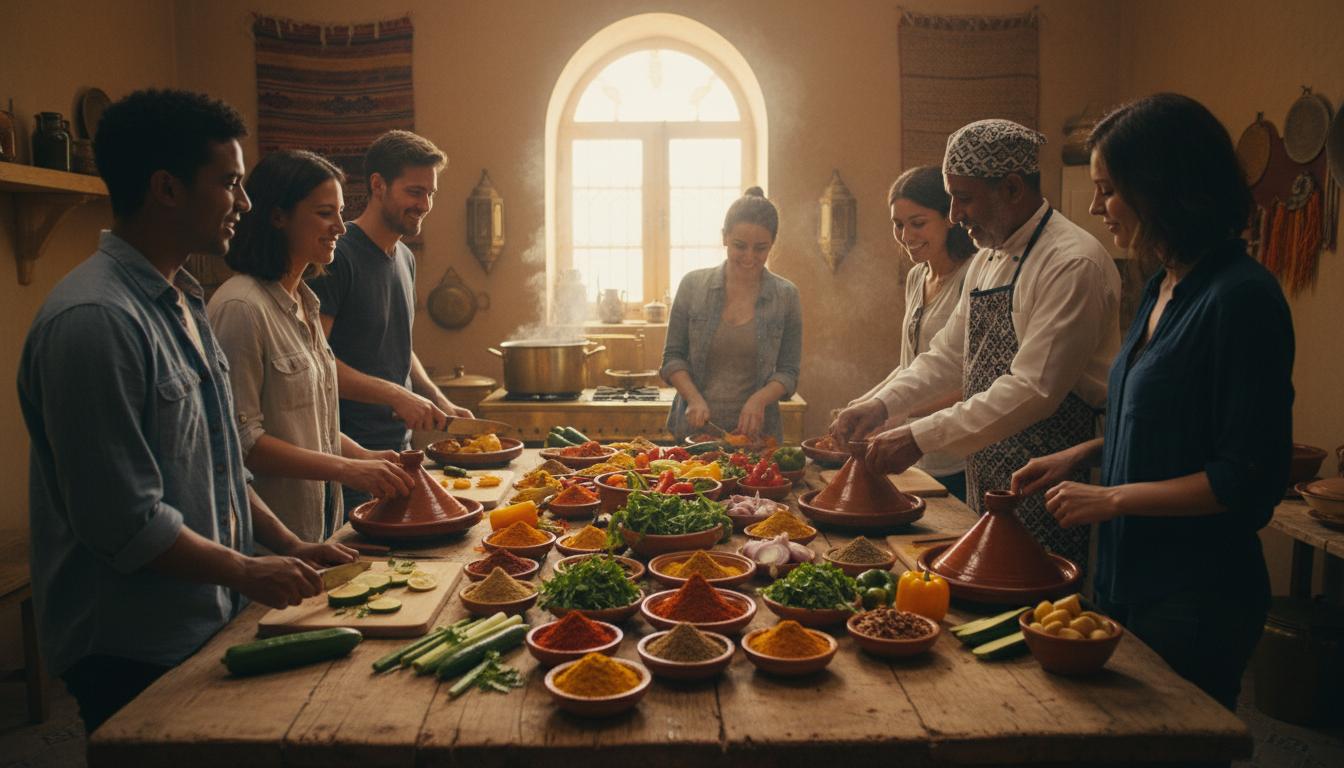 Half dayCooking Class TransferA private transfer to a Moroccan cooking school in the medina or the countryside around Marrakech.
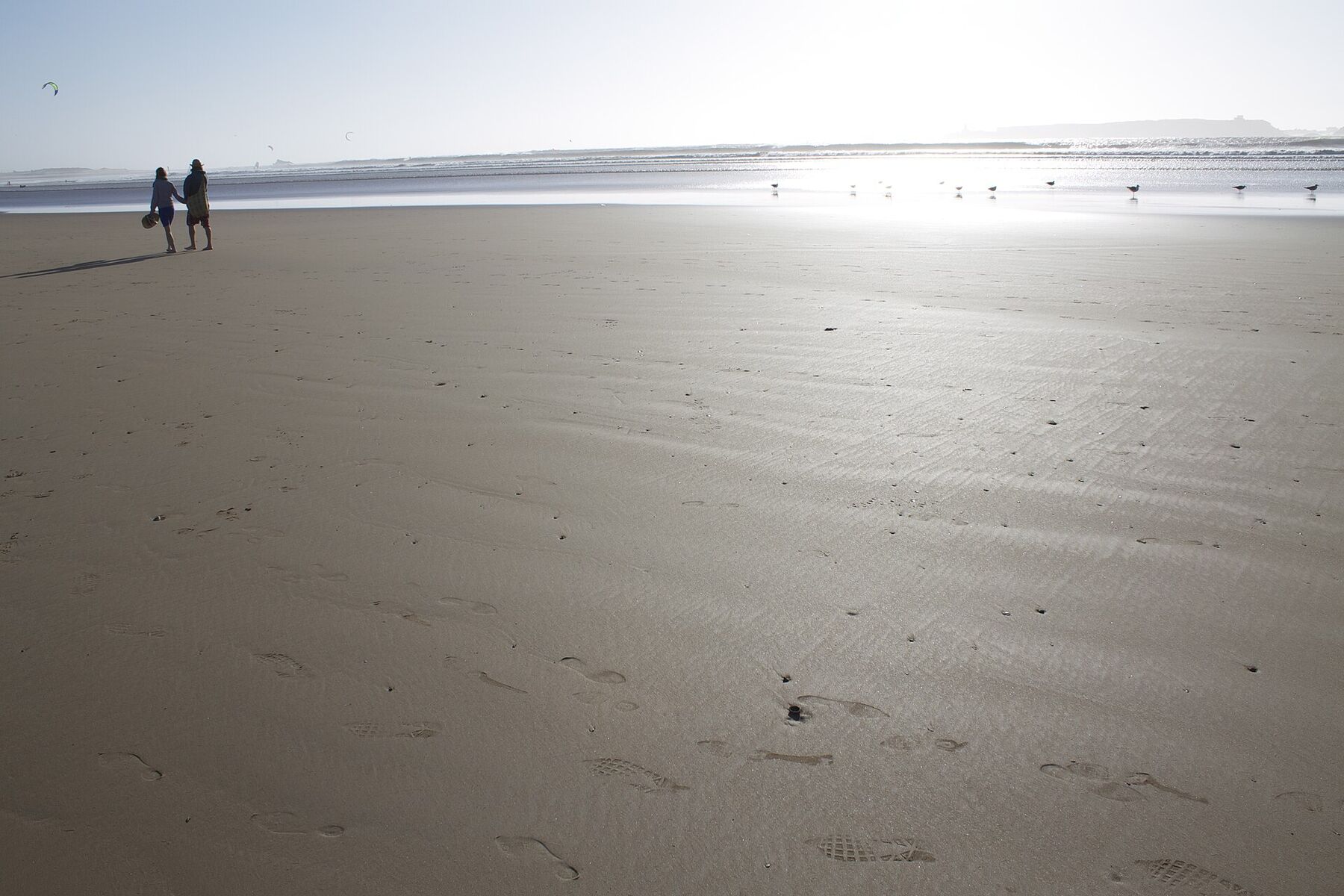 Full dayEssaouira Day TripA private return trip from Marrakech to the Atlantic, with a local guide in the medina.
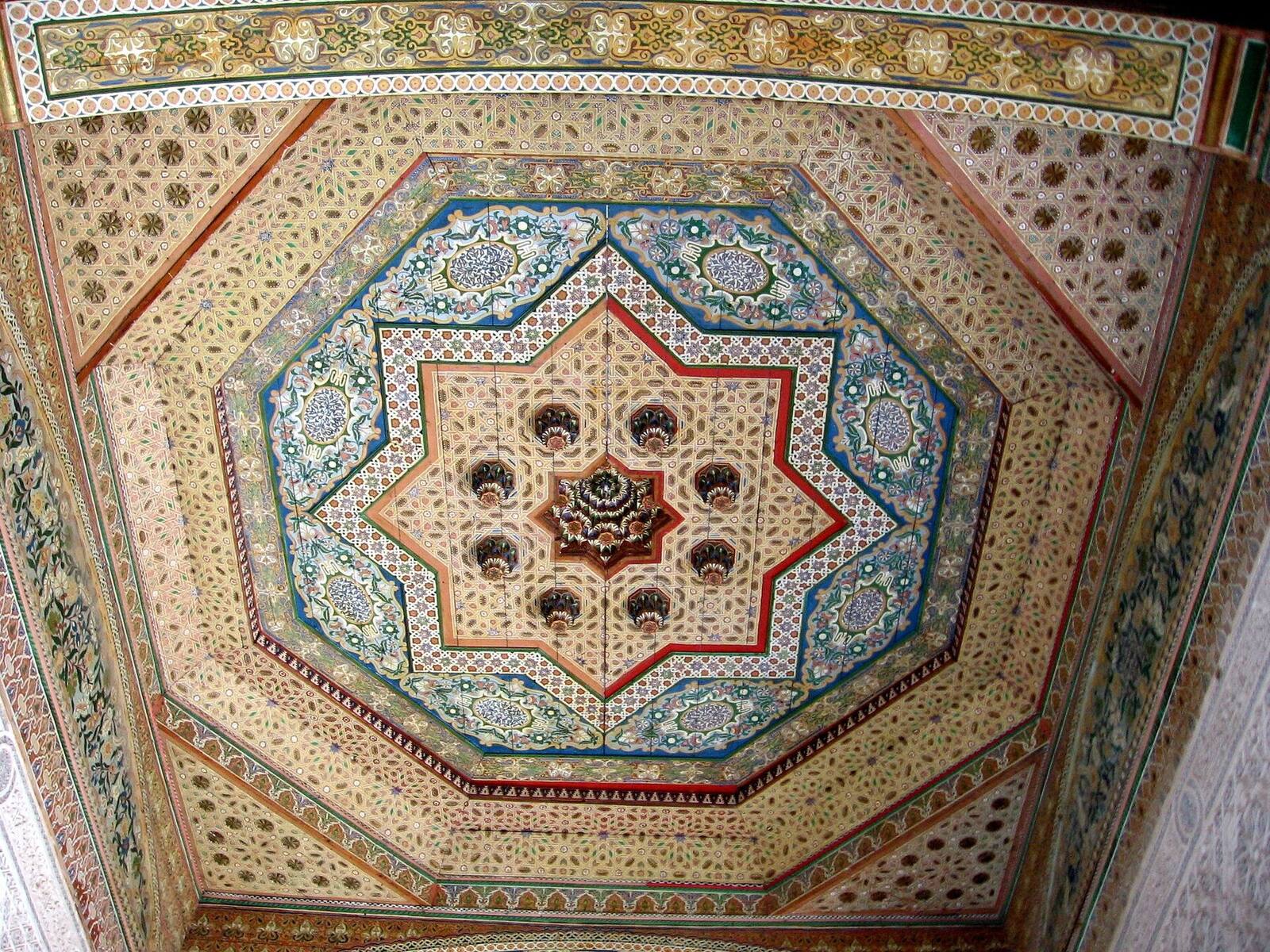 6 daysImperial CitiesFour royal capitals in six days, with your own driver and licensed city guides.
Frequently asked questions
What is the best thing to buy in Marrakech?
Popular buys include carpets, argan oil, leather babouches and bags, lanterns, ceramics, spices and tea sets.
How much should I offer when haggling in Marrakech?
There is no fixed rule, but starting around a third to a half of the first price and meeting somewhere in the middle is common.
Are credit cards accepted in the souks?
Large carpet and furniture shops often accept cards, but most small stalls only take cash in dirhams.
How can I tell if argan oil is real?
Buy from cooperatives or reputable shops, check the label and be wary of very cheap prices, which often mean dilution.
Can I ship a carpet home from Morocco?
Yes, many shops ship worldwide. Get a written receipt with the price, description and shipping terms.
Photo credits
- Fes Morocco Medina street markets Sept 2014 - 08 (15302749453): Andrew Nash from Vienna, Austria, CC BY-SA 2.0, Wikimedia Commons
- Argan Oil Cooperative 01: Catalin Dordea, CC BY-SA 4.0, Wikimedia Commons
- 2026 (365 Challenge) - Day 187 - Jemaa el-fnaa square with evening market, Marrakech, Morocco 2010 - Flickr - ambabheg: Forbes Johnston from Winchester, UK, CC BY 4.0, Wikimedia Commons